School Pest Control in Titusville That Protects Students and Staff

IPM-based inspections, treatments, and reporting for Brevard County schools

School Pest Control in Titusville is a specialized commercial service that removes and prevents roaches, rodents, ants, and stinging insects from classrooms, cafeterias, kitchens, and playgrounds. We serve public and private schools, preschools, and charter campuses across Titusville, Florida, with low-impact treatments scheduled around your bell times. If your staff has spotted droppings, gnaw marks, or roaches near a food service line, call us for a same-week inspection.

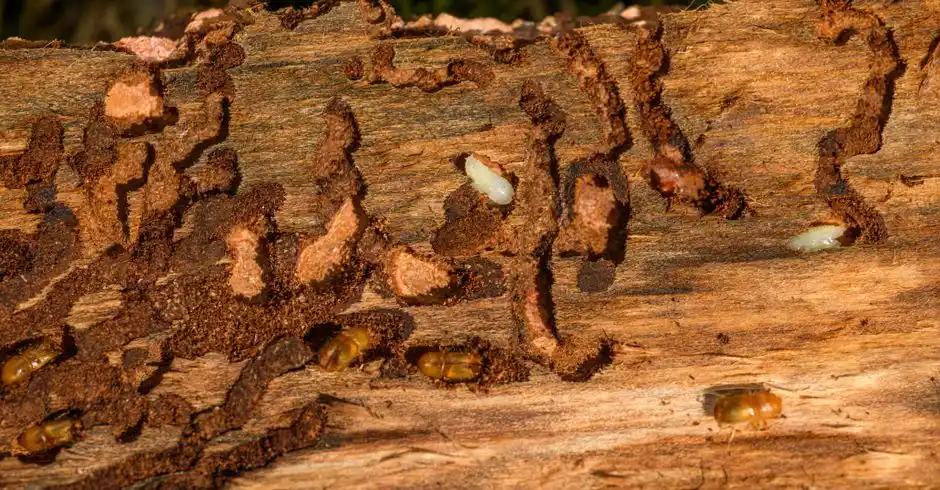
Detailed close-up of tree bark showing woodworm infestation and damage.

What School Pest Control in Titusville Covers

School Pest Control in Titusville is a licensed commercial pest management service built for educational facilities, not homes. It combines a full property inspection, species identification, targeted treatment, exclusion work, and ongoing monitoring inside a documented IPM (Integrated Pest Management) program. We treat cafeterias, kitchens, classrooms, restrooms, gymnasiums, storage rooms, playgrounds, and exterior dumpster pads. Every visit produces a written service report and a pest sighting log you can hand to a health inspector or school board reviewer. Treatments are applied when students are off campus or in areas sealed off from children.

Titusville schools sit in a humid subtropical climate where German cockroaches, ghost ants, and roof rats stay active year-round. Buildings near the Indian River Lagoon and older campuses with original plumbing and wall voids give pests easy routes between rooms. A single cafeteria grease trap can seed a roach population that spreads through a whole wing in weeks. Our commercial pest control program is designed to break that cycle before it reaches a classroom, and we schedule recurring pest maintenance visits around your academic calendar so inspections and treatments never interrupt instruction.
Why Schools Choose Our Program

A pest problem in a school is a health inspection risk, a parent complaint, and a distraction from instruction. Our program is built to keep all three off your desk with documented service, low-impact products, and fast response.

Health Code Confidence

Cafeteria and kitchen areas are the highest-risk zones for a failed inspection. We treat food service areas with EPA-registered products labeled for commercial kitchens and leave a written service report after every visit. That documentation shows your inspector exactly what was applied, where, and when, which shortens the review and protects your food service license.

Low-Impact Treatments

We use gel baits, crack-and-crevice applications, and tamper-resistant rodent stations instead of broad spraying where children learn and eat. Treatments are placed out of reach and scheduled during breaks, after dismissal, or on weekends. Most routine service visits take 60 to 90 minutes per building and leave no odor or residue in classrooms.

Documented Monitoring

Every school account gets a pest sighting log, device map, and service history. Staff can log a sighting and we respond within 24 to 48 hours. That paper trail matters when a parent asks what was done, when the school board reviews vendor performance, or a health inspector requests records during a routine cafeteria inspection.

Year-Round Protection

Florida's warm, humid climate keeps roaches, ants, and rodents active in every season, so a one-time treatment rarely holds. Our recurring pest maintenance plans run monthly or bi-monthly and include exterior barrier treatments around door frames, dumpster pads, and playground perimeters. Schools on the plan report far fewer sightings between visits than campuses that call only after a problem appears.

What School Pest Control in Titusville Covers

How Our School Pest Control Process Works

Every school account follows the same five-step sequence, from the first walkthrough to ongoing monitoring. You always know who is coming, what they will do, and what they will leave behind.

1

Campus Inspection

We walk the entire campus with your facilities contact, starting at the kitchen, cafeteria, and dumpster pad, then moving through classrooms, restrooms, storage rooms, and playground structures. The inspection takes 2 to 4 hours on a typical Titusville campus. We identify active pests, entry points, moisture issues, and sanitation gaps, and we photograph everything for your file.

2

Custom Treatment Plan

Within 48 hours of the inspection we deliver a written plan listing target species, treatment areas, product types, and a service schedule built around your bell times and break calendar. The plan names the specific products and application methods so your administrators and school nurse know exactly what will be used around students.

3

Targeted Treatment

Our licensed technicians apply gel baits in cracks and crevices, treat wall voids and plumbing chases, set tamper-resistant rodent stations at exterior entry points, and apply barrier treatments around doors and dumpster pads. Treatments happen after dismissal or during school breaks. A standard service visit runs 60 to 90 minutes per building.

4

Exclusion and Sanitation

We seal gaps around pipes, doors, and utility penetrations, install door sweeps where needed, and recommend sanitation fixes such as dumpster placement and grease trap cleaning schedules. Exclusion work is what keeps pests from returning through the same entry points, and it is included in our school service plans rather than billed as a separate project.

5

Monitoring and Reporting

We return on a monthly or bi-monthly schedule to check devices, refresh bait, and review the pest sighting log with your facilities team. Every visit ends with a written report showing what was found, what was treated, and what changed. If a sighting is logged between visits, we respond within 24 to 48 hours.

School Pest Control Expertise Built Since 2008

School Pest Control Expertise Built Since 2008

Pro Pest Control Titusville has handled commercial pest accounts across Brevard County since 2008, and schools are one of the most demanding categories we serve. Our technicians are state-licensed in Florida and trained on IPM standards that prioritize inspection, sanitation, and exclusion before chemical application. We work inside occupied buildings with children present, which means every product choice, placement, and schedule has to hold up to a parent's scrutiny and an inspector's checklist. Our team has treated cafeterias, gymnasiums, portable classrooms, and playground structures across Titusville and the surrounding communities, and we know how each pest species behaves in Florida's climate.

  • State-licensed pest control technicians in Florida with commercial facility training
  • IPM-certified approach that prioritizes inspection, exclusion, and sanitation before chemical use
  • Experienced with German cockroach, rodent, ant, and stinging insect control in occupied buildings
  • Written service reports and pest sighting logs prepared for health inspector and school board review
  • Serving Titusville and Brevard County schools, preschools, and charter campuses since 2008

Why Choose Our School Pest Control in Titusville

Schools need a pest control partner who understands that a service visit happens around children, staff, and a public health record. Here is what separates our program from a general pest spray.

18 Years in Brevard County

We have served Titusville and Brevard County since 2008, which means we know the pest pressure in this climate and the building styles across local campuses. Older schools near the Indian River Lagoon have different moisture and entry-point problems than newer construction, and our treatment plans reflect that difference.

Fast Response on Sightings

When your staff logs a sighting, we respond within 24 to 48 hours. For a cafeteria roach sighting or a rodent in a storage room, that speed matters because a single confirmed pest can trigger a parent notification and a health inspection. We schedule emergency visits around your operating hours so students are not in the treatment area.

Documentation You Can Hand Over

Every visit produces a written report, and every account keeps a device map and sighting log. When a health inspector arrives or a parent asks what was done, you have a dated record of every product, application, and follow-up. That documentation is part of our commercial pest control service, not an extra you have to request.

Scheduled Around Your Calendar

We build service schedules around your bell times, testing windows, and school breaks. Routine visits happen after dismissal or on weekends, and larger treatments are booked during winter and summer breaks. You get the pest control work done without pulling students out of class or disrupting cafeteria service.

What You Get

What Our School Pest Control Service Includes

Our school program covers inspection, treatment, exclusion, monitoring, and reporting as one coordinated service. Add-ons like termite baiting or wildlife removal are quoted separately after the inspection, but the core pest control work is bundled into the plan so you are not surprised by extra line items mid-year.

Full Campus Inspection

A 2 to 4 hour walkthrough of kitchens, cafeterias, classrooms, restrooms, storage rooms, gyms, portables, and playgrounds. We photograph activity, map entry points, and identify sanitation issues before recommending any treatment.

Targeted Interior Treatments

Gel baits, crack-and-crevice applications, and wall void treatments placed where roaches, ants, and other pests travel. Interior work happens after dismissal or during breaks, and every product is labeled for use in occupied buildings.

Exterior Barrier and Stations

Barrier treatments around doors, windows, and dumpster pads, plus tamper-resistant rodent stations at exterior entry points. We check and refresh stations on every scheduled visit and log activity in your service record.

Exclusion Work

Sealing gaps around pipes, doors, and utility penetrations, installing door sweeps, and closing roof and soffit openings. Exclusion is what stops pests from re-entering through the same routes and is included in the school plan.

Written Reporting

Every visit produces a dated service report listing findings, products, and applications. Your account also keeps a device map and pest sighting log that you can hand to a health inspector or school board reviewer.

Solutions

School Pest Problems We Solve in Titusville

Most school pest calls come down to a handful of recurring problems. Here is what we see most often on Titusville campuses and how we handle each one.

Problem

Roaches in cafeteria dish rooms and grease traps

German cockroaches breed fast in warm, wet food service areas and can spread through a building in weeks. A confirmed sighting can trigger a health inspection and a parent notification.

Solution

We treat dish rooms, grease traps, and plumbing chases with gel baits and crack-and-crevice applications, then recommend sanitation and dumpster changes that cut off food and water. Monthly monitoring keeps the population from re-establishing between visits.

Problem

Rodents in storage rooms and portable classrooms

Rats and mice chew wiring, contaminate supplies, and leave droppings that staff and students can encounter. Portable classrooms are especially vulnerable because they sit close to soil and vegetation.

Solution

We set tamper-resistant stations at exterior entry points, seal gaps around pipes and doors, and install door sweeps on portables. Exclusion work closes the entry points so rodents cannot return through the same route.

Problem

Ants trailing into classrooms from exterior nests

Ghost ants and fire ants move indoors during heavy rain or drought, and trails show up along walls, windows, and playground doors. Fire ants on playgrounds are a sting risk for students.

Solution

We locate exterior nests, treat trails and entry points, and apply barrier treatments around door frames and playground structures. Interior baiting handles ants already inside, and follow-up visits confirm the trails are gone.

Problem

Stinging insects near playgrounds and dumpsters

Paper wasps and yellow jackets build nests under playground equipment and near dumpster pads, creating a sting hazard during recess and outdoor classes.

Solution

We remove nests after hours, treat the immediate area, and schedule follow-up checks during peak season. Dumpster pad maintenance and lid discipline reduce the food sources that attract yellow jackets in the first place.

Use Cases

When Titusville Schools Call Us

01

A cafeteria manager spots roaches near the dish machine two weeks before a scheduled health inspection.

Solution

We schedule an emergency visit within 24 to 48 hours, treat the dish room and surrounding plumbing chases, and document every application. We also review sanitation and dumpster practices with the kitchen staff.

Outcome

The kitchen passes inspection with a written service record on file, and the account moves to a monthly monitoring schedule to prevent a repeat.

02

A principal finds rodent droppings in a portable classroom and storage shed at the start of the school year.

Solution

We inspect the portable and shed, set tamper-resistant stations, and seal entry points around pipes, doors, and the floor line. Work is scheduled after dismissal so students are not in the area.

Outcome

Activity stops within two weeks, and quarterly checks keep the portable sealed for the rest of the year.

03

A preschool director wants a prevention plan before the summer break, when the building sits mostly empty.

Solution

We inspect the full building, apply exterior barrier treatments, set monitoring stations, and schedule interior work during the break. The plan includes a written report for the director's file.

Outcome

The building reopens in the fall with no active pest issues and a documented service history for parents and licensing reviewers.

04

Fire ants build mounds on the playground and parents report stings during recess.

Solution

We treat mounds and surrounding soil with a labeled product, mark the area, and schedule the work after dismissal. Follow-up visits confirm the mounds are inactive.

Outcome

Playgrounds reopen within a day or two, and quarterly perimeter treatments keep new mounds from establishing.

Our Approach

Tools and Methods We Use in Schools

Tools & Equipment

Tamper-Resistant Rodent Stations

Locked bait and trap stations placed at exterior entry points and along building perimeters. They keep rodents contained and keep students and staff away from traps and bait.

Gel Baiting Syringes

Precision application of roach and ant gel into cracks, crevices, and wall voids. Gel baits target pests where they harbor without broadcasting product into classrooms.

Crack-and-Crevice Applicators

Directed application of residual products into plumbing chases, baseboards, and structural gaps. This placement keeps treatments out of reach and focused on pest travel routes.

Pest Sighting Logs

A shared log where staff record sightings by date and location. The log drives follow-up visits and gives inspectors a clear record of activity and response.

Device Maps

A labeled map of every station, bait point, and monitoring device on campus. It lets your facilities team and our technicians verify coverage on every visit.

Door Sweeps and Exclusion Materials

Physical seals for doors, pipes, and utility penetrations. Exclusion materials close the gaps rodents and roaches use and are installed as part of the service plan.

Moisture Meters

Checks for moisture in walls, cabinets, and storage areas that attracts roaches and termites. Moisture readings guide treatment placement and sanitation recommendations.

Methods

Integrated Pest Management (IPM)

IPM prioritizes inspection, sanitation, and exclusion before chemical application. On a school campus, that means we identify why pests are present and fix the conditions, then use targeted products only where monitoring shows activity.

Zone Scheduling

We divide the campus into treatment zones and schedule work by zone so students and staff are never in an active treatment area. Kitchens and cafeterias get after-hours service, while exterior work can happen during the day.

Threshold-Based Monitoring

Devices and sighting logs set a threshold for each pest species. When activity crosses the threshold, we treat; when it stays below, we monitor. This keeps chemical use down and gives you a defensible record.

Exclusion-First Repair

Before recurring treatments, we seal entry points and fix conditions that let pests in. Exclusion-first repair is what makes a school program hold between visits instead of relying on constant spraying.

Local Service

How School Pest Control Runs in Titusville

Titusville's humid subtropical climate keeps pests active year-round, and school buildings here face pressure that colder climates do not. German cockroaches thrive in cafeteria grease traps and dish rooms, roof rats move along utility lines and into portables, and ghost ants trail indoors after heavy rain. Campuses near the Indian River Lagoon deal with higher moisture and more frequent ant and termite activity, while older buildings with original plumbing and wall voids give pests easy routes between rooms. Our commercial pest control program accounts for those conditions with monthly or bi-monthly monitoring, exterior barrier treatments timed to the humid season, and exclusion work that closes the gaps pests use. We schedule interior treatments during winter and summer breaks and after dismissal during the school year, so students and staff are never in a treated area. If your campus has a cafeteria, portables, or playground equipment near vegetation, we build the plan around those specific risks.

Service Areas

South Titusville

Older school buildings and established landscaping create moisture and entry-point issues that call for exclusion work alongside routine monitoring.

Mims

Larger lots and nearby vegetation increase rodent and wildlife pressure on portables and storage buildings, so exterior station coverage matters here.

Merritt Island

Coastal humidity and proximity to water raise ant and termite activity, making barrier treatments and moisture checks a regular part of service.

Indian River City

Mixed commercial and residential buildings near campus can spread pests between properties, so exterior perimeter treatments are scheduled more often.

Local Considerations

Year-round warm, humid weather

Roaches, ants, and rodents stay active in every season, so a one-time treatment rarely holds. Recurring monitoring is the only reliable way to keep populations down.

Heavy summer rain and standing water

Ants and roaches move indoors when soil saturates, and standing water near playgrounds breeds mosquitoes. We adjust treatment timing around the rainy season.

Older plumbing and wall voids

Original plumbing chases and wall voids give roaches and rodents travel routes between rooms. Crack-and-crevice treatments and exclusion work target those routes directly.

Portable classrooms on soil

Portables sit close to soil and vegetation, which makes them easy targets for rodents and ants. Door sweeps, skirting seals, and exterior stations protect them.

Transformation

Cafeteria Roach Problem Resolved

Before

A Titusville elementary school logged roach sightings in the dish room and near the grease trap for three weeks. Staff were spraying retail products with no lasting effect, and a health inspection was scheduled for the following month.

After

We treated the dish room, grease trap, and plumbing chases with gel baits, sealed gaps behind equipment, and set the kitchen on a monthly monitoring schedule. The inspection passed with a written service record, and the school has logged no confirmed roach sightings in the kitchen since.

Maintenance & Follow-up

Monthly kitchen visits, sanitation checks, and dumpster pad treatment keep the population from re-establishing. Staff log any sighting, and we respond within 24 to 48 hours.

Before

A Mims school found rodent droppings in a portable classroom and a storage shed at the start of the fall term. The portable sat on soil near vegetation, and staff had seen a rat near the door twice in one week.

After

We set tamper-resistant stations around the portable and shed, sealed gaps around pipes and the floor line, and installed door sweeps. Activity stopped within two weeks, and quarterly checks have found no new droppings since.

Maintenance & Follow-up

Quarterly exterior station checks and an annual exclusion review keep the portable sealed. Staff report any new gnaw marks or droppings through the sighting log.

Before

A Merritt Island preschool closed part of its playground after fire ant mounds appeared near the swings and parents reported stings. The school had tried retail ant granules with little success.

After

We treated the mounds and surrounding soil with a labeled product, marked the area, and scheduled the work after dismissal. Follow-up visits confirmed the mounds were inactive, and the playground reopened within two days.

Maintenance & Follow-up

Quarterly perimeter treatments and playground inspections during peak season keep new mounds from establishing. Staff check the play area each morning and log any activity.

Frequently Asked Questions

Have questions? We have answers.

Call Us
How much does school pest control in Titusville cost?

Most school accounts in Titusville run $250 to $900 per service visit in 2026, depending on campus size, number of buildings, and pest pressure. A single-building preschool sits near the low end, while a full K-12 campus with multiple kitchens and portables sits higher. Recurring monthly plans lower the per-visit cost, and exclusion work is quoted after the initial inspection.

Are the treatments safe for students and staff?

Yes. We use EPA-registered products labeled for commercial kitchens and occupied buildings, applied as gel baits, crack-and-crevice treatments, and tamper-resistant stations rather than broad sprays. Treatments happen after dismissal or during breaks, and we leave a written record of every product used. If your school nurse or administrator needs product labels in advance, we provide them with the treatment plan.

How often should a school schedule pest control service?

Most Titusville schools do best on a monthly or bi-monthly schedule, with extra visits during the humid late-summer and fall months when roach and rodent pressure peaks. A campus with a cafeteria and multiple dumpster pads needs more frequent monitoring than a small preschool. We set the frequency after the first inspection based on what we find and how the building is used.

Can you treat a school during the school day?

We can handle some exterior and exclusion work during the day, but interior treatments in classrooms, cafeterias, and kitchens are scheduled after dismissal, on weekends, or during school breaks. That keeps students and staff out of treated areas and gives products time to settle before the building reopens. Emergency sightings are scheduled around your operating hours, usually within 24 to 48 hours.

Trust & Credentials

Licensed, Local, and Documented

Certifications

Florida Pest Control Operator License by Florida Department of Agriculture and Consumer Services
Integrated Pest Management (IPM) Certification by State extension and industry IPM programs
EPA-Registered Product Use Compliance by U.S. Environmental Protection Agency
Commercial Food Service Pest Management Training by Industry pest management associations

Reviews

Google

They handled a roach issue in our school cafeteria quickly and left a full report for our inspector. The technician scheduled everything after dismissal so no students were around, and the kitchen has been clean since.

Yelp

We use them for rodent control at our preschool. They sealed the entry points instead of just setting traps, and we have not seen a mouse in months. The written reports are thorough and easy to file.

BBB

Professional and on time for every scheduled visit. They walked our director through the products before the first treatment, which mattered with toddlers in the building. The playground ant problem was gone within a week.

Google

Our charter school uses them for monthly service. They log every sighting we report and follow up fast. When we had a wasp nest near the dumpster, they came out the next day and removed it after hours.

Related Services

Termite Inspection

Schools with wood-framed portables and older buildings need a termite inspection before swarm season. We check foundations, crawl spaces, and exterior wood for activity and include findings in your pest control file.

Termite Inspection

Subterranean Termite Treatment

Subterranean termites can undermine portable classrooms and wood structures on campus. We treat soil and foundation areas with a labeled termiticide and document the application for your facilities records.

Subterranean Termite Treatment

Drywood Termite Treatment

Drywood termites attack exposed wood in gyms, stage areas, and older classroom wings. We identify galleries, treat affected wood, and schedule follow-up checks so a small infestation does not spread through a building.

Drywood Termite Treatment

Termite Baiting Systems

Bait stations around campus perimeters give schools continuous termite monitoring without disruptive interior work. We install, check, and refresh stations on a set schedule and log every inspection for your records.

Termite Baiting Systems

Rodent Control

Roof rats and mice move through wall voids and storage rooms in Titusville schools. We set tamper-resistant stations, track activity, and remove rodents from food service and classroom areas without exposing students to traps.

Rodent Control

Rodent Exclusion

Exclusion is the permanent fix for rodent entry. We seal gaps around pipes, doors, and utility penetrations, install door sweeps, and close roof and soffit openings so rats and mice cannot re-enter the building.

Rodent Exclusion

Mosquito Control

Standing water near playgrounds and athletic fields breeds mosquitoes that disrupt recess and outdoor classes. We treat breeding sites and resting areas and schedule service around outdoor activity periods.

Mosquito Control

Flea and Tick Treatment

Service animals and wildlife can bring fleas and ticks onto campus. We treat affected areas, advise on follow-up, and coordinate with your staff so treated zones stay clear until products settle.

Flea and Tick Treatment

Bed Bug Treatment

Bed bugs in a school setting require careful, documented treatment to protect students and staff. We inspect, treat affected rooms, and provide reporting that supports your communication with parents and the health department.

Bed Bug Treatment

Commercial Pest Control

Our broader commercial program covers offices, retail, and institutional buildings with the same documentation and scheduling discipline we bring to schools. It is the right fit for administrative buildings and district offices.

Commercial Pest Control

Restaurant Pest Control

Cafeterias and school kitchens face the same roach and rodent pressure as restaurants. Our restaurant program applies to food service areas with grease trap, dish room, and storage treatments built for health inspections.

Restaurant Pest Control

Wildlife Removal

Opossums, bats, and birds can take up residence in soffits and outbuildings on campus. We remove wildlife humanely and close entry points so animals do not return to the same spot.

Wildlife Removal

Raccoon Removal

Raccoons near dumpsters and playgrounds create sanitation and safety problems. We remove them, clean affected areas, and recommend dumpster and lid changes that reduce attraction.

Raccoon Removal

Squirrel Removal

Squirrels in attics and wall voids chew wiring and insulation. We remove them, seal entry points, and check for secondary pest issues that often follow a squirrel infestation.

Squirrel Removal

Armadillo Control

Armadillos dig up athletic fields and landscaped areas on campus. We trap and remove them and advise on fencing and soil fixes that discourage repeat digging.

Armadillo Control

Pest Inspection

A standalone inspection gives you a written picture of pest activity, entry points, and sanitation issues before you commit to a treatment plan. It is a good first step for a new campus or a building under renovation.

Pest Inspection

Pest Prevention Plans

Prevention plans combine scheduled inspections, exclusion work, and monitoring to stop pests before they reach classrooms. Schools on a prevention plan spend less on emergency treatments over the school year.

Pest Prevention Plans

Pest Barrier Treatments

Exterior barrier treatments around doors, windows, and dumpster pads stop pests before they enter. We reapply on a schedule timed to Florida's humid season and log each application.

Pest Barrier Treatments

Home Pest Exclusion

The same exclusion methods we use on schools apply to homes near campus. Sealing entry points keeps roaches, ants, and rodents out of nearby houses and reduces pressure on school buildings.

Home Pest Exclusion

Recurring Pest Maintenance

Recurring maintenance keeps a school account on a predictable schedule with documented visits. It is the backbone of our school program and the reason sightings drop between visits.

Recurring Pest Maintenance

Apartment Pest Control

Multifamily housing near schools can spread pests between buildings. We treat apartment communities with the same documentation standards and coordinate with property managers on unit access.

Apartment Pest Control

Property Management Pest Control

Property managers overseeing school-adjacent rentals need reliable reporting and fast response. We provide both, with service records that support lease compliance and tenant communication.

Property Management Pest Control

Warehouse Pest Control

District warehouses and storage buildings hold supplies that attract rodents. We treat storage areas, set monitoring stations, and document activity for your inventory and safety records.

Warehouse Pest Control

Healthcare Facility Pest Control

School clinics and healthcare rooms need pest control that meets infection-control standards. We use low-impact products and coordinate with your health staff on scheduling and documentation.

Healthcare Facility Pest Control
Testimonials

What Titusville Schools Say

Real experiences from customers who chose our School Pest Control services

We had roaches showing up in the cafeteria dish room every summer. Pro Pest Control Titusville inspected the whole building, sealed the plumbing chases, and set us on a monthly schedule. The sighting log they keep has made our health inspections much easier, and we have not had a confirmed roach sighting in the kitchen since the second visit.

Denise M.

Facilities Director, South Titusville

D

Rodents were getting into a portable classroom and the storage shed behind it. The technician found the entry points, sealed them, and set tamper-resistant stations outside. He scheduled everything after dismissal so no students were around. Two months later we have had zero rodent activity and the written reports are on file for the district.

Raymond T.

Principal, Mims

R

With toddlers in the building, I was nervous about any treatment. They walked me through every product and label before the first visit and did the interior work on a Saturday. We are on a bi-monthly plan now, and the ant problem near the playground door is gone. They respond the same day when I log a sighting.

Carla B.

Preschool Director, Merritt Island

C

We had roaches showing up in the cafeteria dish room every summer. Pro Pest Control Titusville inspected the whole building, sealed the plumbing chases, and set us on a monthly schedule. The sighting log they keep has made our health inspections much easier, and we have not had a confirmed roach sighting in the kitchen since the second visit.

Denise M.

Facilities Director, South Titusville

D

Rodents were getting into a portable classroom and the storage shed behind it. The technician found the entry points, sealed them, and set tamper-resistant stations outside. He scheduled everything after dismissal so no students were around. Two months later we have had zero rodent activity and the written reports are on file for the district.

Raymond T.

Principal, Mims

R

Schedule School Pest Control in Titusville This Week

A single roach sighting in a cafeteria can turn into a health inspection and a parent letter. We inspect your campus, document what we find, and build a treatment plan around your school calendar. State-licensed, local since 2008, and ready to respond within 24 to 48 hours.